
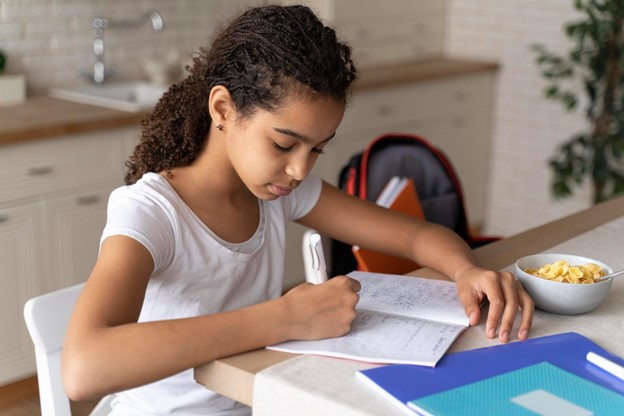
Image via Freepik
Break Doesn’t Mean Stop: How to Keep Learning Alive Between Homeschool Terms
School breaks are often miscast as dead space—a lull between “real” learning phases. But for parents of homeschooled children, breaks can become prime windows for deepening understanding, learning languages, exploring interests, and reinforcing personal growth without the grind of standard lessons. The goal isn’t to mimic a school day, but to extend learning in ways that feel purposeful, flexible, and alive.
Let Kids Make Something That Matters
When there’s no pressure to meet a syllabus deadline, kids can dive into focused work that builds real skills. Whether it’s producing a stop-motion animation, building a basic shelf, or researching a historical event to re-enact with costumes, this type of self-directed work builds confidence and stamina. Parents who embrace this style often see better outcomes when the goal feels tangible. The secret? Reduce oversight but increase stakes—something to finish, show, or reflect on. With the right approach, hands-on project learning at home becomes a reliable path for independent thinking and personal investment.
Make the Natural World a Learning Partner
The rhythm of homeschool can sometimes unintentionally box kids in. School breaks give families the freedom to treat the outdoors not as a break from learning, but as a location for it. Let your child plant something. Chart the sunrise for a week. Observe squirrels. Sketch what’s blooming. Parents who follow their child’s lead while still providing scaffolding often find these moments spark deep questions. That’s why layering in nature-based learning at home offers not just a change of scenery, but a reintroduction to curiosity through direct experience.
Don’t Skip Rest—Structure It
It’s easy to over-plan, thinking productivity equals learning. But real gains come when the brain has time to breathe. Letting kids rest isn’t “losing time”—it’s preserving their capacity to absorb and retain. A walk, some alone time, quiet creative play—these aren’t filler. They’re fuel. Strategic downtime, especially when surrounded by stimulation the rest of the year, creates space for reflection and calm. Research around homeschool dynamics increasingly shows that structured breaks enhance learning readiness by lowering stress levels and increasing receptivity when it’s time to re-engage.
Let Relationships Drive Collaboration
One underrated learning vehicle during breaks is connection—with peers, mentors, or even family members across generations. Starting a pen-pal exchange, organizing a short-term group project, or collaborating with another homeschooling family can teach just as much as an official lesson. But sustained collaborative work needs rhythm and visibility. What works best is intentional setup: defined roles, timelines, and reflection points. When managed right, scaffolding long-term online collaboration during school breaks teaches accountability, problem-solving, and follow-through—without sacrificing flexibility.
Mix the Mediums
Kids process information in wildly different ways. Breaks are the perfect opportunity to move beyond books and whiteboards. Introduce stop-motion, audio journaling, digital timelines, and more. Let them build something with cardboard or narrate a slideshow of their day. This isn’t about replacing core academics—it’s about expanding the toolkit. Multimedia tools elevate project learning by activating different parts of the brain, giving students new entry points into knowledge, and encouraging layered thinking.
Hire a Human
Sometimes, the best break support isn’t you. It’s someone who brings fresh energy, personalized instruction, and external structure. That’s where online tutoring shines—especially when it’s flexible and child-led. For example, if your child is learning Spanish, you don’t need to run a mini-class yourself. Instead, consider personalized online Spanish instruction that’s immersive, practical, and engaging. The best online platforms offer private sessions with human-led guidance, fast access to support, affordable pricing, and the ability to switch tutors easily to find the best fit (this is a good resource). You’ll want something motivating and supportive, with a structure that adapts to your child’s progress and builds confidence while they learn. It’s efficient, proven, and—importantly—helps your child speak like a native, not just memorize vocab.
Let Curiosity Set the Pace
When school pauses, energy shifts. Some children get restless. Others bloom. That’s why the most transformative learning during breaks often happens when children feel ownership over their time. Give your child permission to follow a thread—to go deep on whales, robots, sewing, or how bridges work. Resist the instinct to reintroduce rigid structure. Support with resources, encouragement, and open-ended questions. Encouraging self-directed learning instead of micromanaging fosters lifelong habits: inquiry, experimentation, and self-correction.
Parents don’t need to fear the “off” season. These windows offer something many academic calendars can’t: elasticity. A chance to bend toward your child’s needs, stretch the definition of learning, explore languages, and test new modes of engagement. With a mix of rest, real-world exploration, and just enough structure, you can transform school breaks into something that’s not only productive, but joyful. You don’t need a curriculum to stay sharp. You need rhythm, agency, and just a little vision.
FAQ: Learning During Breaks for Homeschool Families
Q: Should I plan every day of the break?
No. Give your child open space. Let them be bored sometimes—boredom can be the starting point of curiosity.
Q: How do I balance rest and learning?
Design mornings for activity and afternoons for reflection or rest. It doesn’t need to be exact—it needs to be sustainable.
Q: What if my child resists doing anything “educational”?
Reframe learning. Ask what they want to build, fix, or explore. Don’t label it—just support it.
Q: Are tutors worth the investment during breaks?
If it’s a skill they want to improve or stay sharp in (like a language), a supportive online tutor can maintain momentum while reducing your workload.
Q: Do we need to “catch up” after breaks?
If breaks are used well, there’s often less catching up needed. Kids return sharper, calmer, and more ready to learn.
Q: What’s the best way to support language learning during breaks?Keep it active and conversational. Look for human-led online classes, short daily speaking sessions, or immersive activities that turn passive vocabulary into confident use.
Discover the ultimate resource for homeschooling success at Homeschool Supercenter, where over 25,000 deeply discounted curriculum products await to enrich your child’s educational journey!